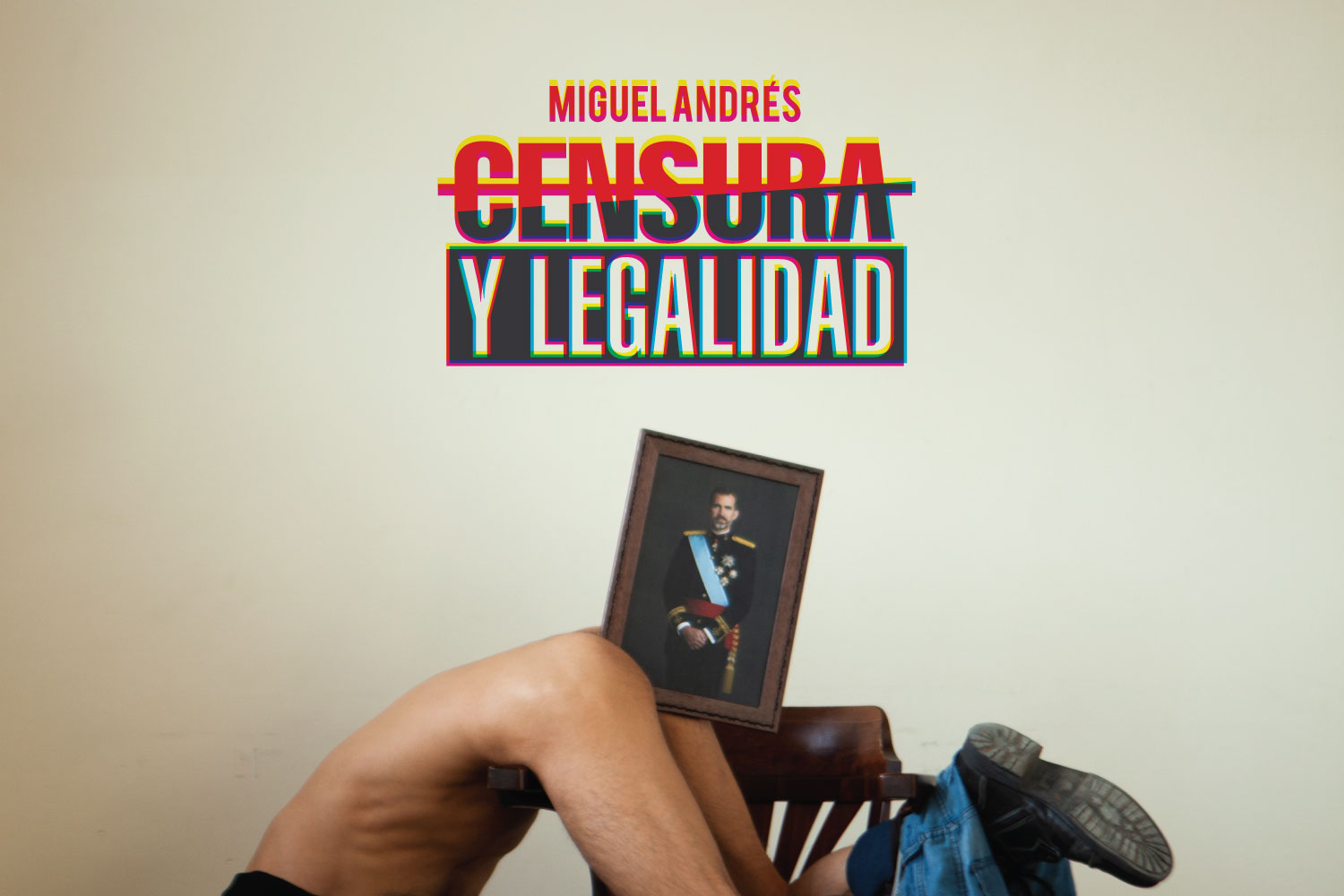
Parece que vivimos tiempos oscuros para la libertad de expresión. La religión, la monarquía, el terrorismo, la política, la desnudez, la mujer y el menor, son sólo algunos de los temas sensibles en este ámbito, pero no todos. Las restricciones en la legalidad estrecha el marco de creación de los artistas y menoscaba la libertad de expresión.
Es la autocensura la que en primer término nos lleva al campo de lo políticamente correcto, un mundo de colores, azúcar y unicornios que bien hace de séquito del consumismo desenfrenado. El arte se torna así en un producto efímero, atenazado a las modas y a su obsolescencia. De este modo nos vemos privándonos (los artistas) de abordar las verdaderas cuestiones que son trascendentales para la sociedad.
Para cuando la autocensura no es suficiente tenemos el código penal. Con la llegada de la llamada ley mordaza nos hemos retrotraído a tiempos de una larga dictadura que creíamos ya pasada. Pero hay otras situaciones curiosas, como la figura del Rey (por ejemplo), protegida en la constitución y blindada contra injurias por el código penal. Pero es seguro que los códigos civiles y penales guardan otras tantas lindezas para frenar los diálogos incómodos.
No hay más que ver la incesante información que nos llega a diario: raperos y titiriteros encarcelados; poetas, artistas y cantantes investigados por la justicia. Nos estamos volviendo locos.
En la base de todo este control ideológico se encuentra, sin duda, la perpetuación del establishment.
—
Residencia artística y taller abierto, 2018
Realizada en «L’Estruch – Fàbrica de creació de les arts en viu» [Ajuntament de Sabadell], Sabadell, España · Diciembre 2018